



If you are wondering whether to use interior paint outside, the exact answer is no, and it goes beyond just personal preference. Interior paint is not designed to withstand outdoor elements like sun, rain, and fluctuating temperatures. At PaintPro in Nashville, TN, we have seen this mistake cost people far more than they ever saved on paint. You can put it on an outdoor surface, but it will start to fail fast once the weather gets to it.
This article explores the distinction between exterior and interior paint, the potential issues that arise from using the wrong product outside, and which exterior surfaces are most susceptible to damage. If you have a painting project coming up, this is worth knowing before you start.
What Makes Interior Paint Different From Exterior Paint?
Paints share the same basic components: pigments, resin, solvents, and additives. But the type and amount of each ingredient changes based on where the paint is meant to be used. Interior paint binders are built for indoor use in stable, temperature-controlled rooms. They grip well on interior surfaces. However, they are not built for surfaces that swell in summer and shrink in winter.
Exterior paint uses flexible resins, mold-fighting additives, and UV protection built right into the formula. This helps it bend and move with surfaces as the weather changes through temperature fluctuations. Most interior paints use stiffer binders. They look great on interior walls, but they crack when outdoor conditions put them under stress.
Interior paints offer qualities built around life inside a home. That means low odor, stain resistance, and a smooth finish that stands up to frequent cleaning and the daily wear of indoor life. Interior paints generally also have lower levels of volatile organic compounds than exterior counterparts. That keeps indoor air quality better in enclosed spaces, but it has no value when the paint needs to survive the outdoors.
What Happens When You Use Interior Paint Outside
Interior paint starts to fall apart outside when it meets the weather elements. Most people do not see the damage right away, but by the end of the first season, it is hard to miss. Because most interior paints lack the additives needed to withstand outdoor conditions, even one full summer can push a painted surface past the point of no return.
Here are the most common consequences:
- Cracking and Peeling: Interior paint is too stiff to move with exterior walls as they expand and contract. That stiffness leads to cracking, and once cracks start, peeling is not far behind. Specially formulated exterior products flex, interior ones do not.
- Rapid Fading: Interior coatings have no real protection against uv rays. The sun breaks the color down fast. You can lose your fade resistance in a single summer of full sun exposure.
- Moisture Penetration: Without solid weather resistance, water gets under the paint. It lifts and bubbles the surface. Once water is in, it is hard to stop the damage from spreading.
- Mold and Mildew Growth: Many interior paints have no mold-fighting additives. That makes mildew growth likely on any shaded, damp spot on your home.
- Shortened Lifespan: A paint job using the wrong product can fail within months. That means paying for prep work, primer, and new paint all over again. The damage can also reach the outdoor surfaces beneath the paint.
Key Properties Exterior Paint Has That Interior Paint Lacks
Exterior paint is made for harsh conditions that indoor painting products are simply not built to handle. It goes through far more than interior coatings ever face. For indoor spaces, paint needs to look clean and wipe down easy. For outdoor use, it needs to fight the sun, rain, wind, and everything else the weather brings.
Below are the critical properties that set it apart:
UV Resistance
Exterior paint is made to hold its color under heavy sun exposure and resist fading season after season. Interior coatings yellow and fade because they have no real UV shield. Good exterior products protect against uv rays for years at a time, which is something no interior product can offer outdoors.
Moisture and Weather Protection
Nashville winters bring freezing temps and rain. Summers are hot and humid. Exterior paint is made to withstand harsh weather across all of it. It seals surfaces so water cannot creep in. Without that seal, moisture gets behind the paint and causes real damage to your siding and exterior walls over time.
Resin Flexibility
This is one of the biggest key differences in the painting industry. Exterior paint uses flexible resins so it can stretch and move with materials as temperature changes happen. Wood, metal, and concrete all shift with the heat and cold. Interior coatings are too stiff for that kind of movement and crack under the pressure.
Mildew and Algae Resistance
Exterior paint has additives built in to stop mold and algae from taking hold. This mildew resistance matters a lot in humid climates. Interior paint has nothing like it. On a shaded exterior surface that stays damp, mold will start growing fast.
Surface Adhesion in Temperature Shifts
High quality paints made for exterior use bond to surfaces even as temperature affect causes materials to expand and shrink. Interior surfaces do not go through that kind of stress, so interior paints are just not built for it. When those shifts happen outside, interior coatings lose their grip and start to peel.
Exterior Surfaces Most Affected by Using Interior Paint
Some surfaces get hit harder than others when the wrong paint goes on them. Materials that soak up moisture or shift under harsh outdoor conditions are always the most vulnerable. These are the most commonly affected:
- Wood Siding: Wood soaks up water and releases it constantly. Interior paint cannot flex with those changes. It splits along the grain and starts eventually peeling well before you’d expect.
- Exterior Trim: Trim takes a beating on corners and edges. The heat and cold cycle hits those spots hard. Interior paint is too stiff for trim on any home’s exterior and starts to crack at the edges first.
- Concrete and Masonry: These surfaces soak up moisture from behind. Without water based paints or oil based paints made for that kind of surface, water pushes the paint right off the wall.
- Metal Surfaces: Metal moves a lot with heat. Interior paint cannot keep up with that. The film cracks, metal gets exposed, and harsh weather takes over from there.
- Fences and Decks: We have worked across Nashville for years, and fences and decks come up again and again as some of the worst surfaces for interior paint. They get ground moisture from below, foot traffic on top, and direct sun all day. Paint failure shows up fast.
Can You Use Interior Paint Outside in Covered Areas?
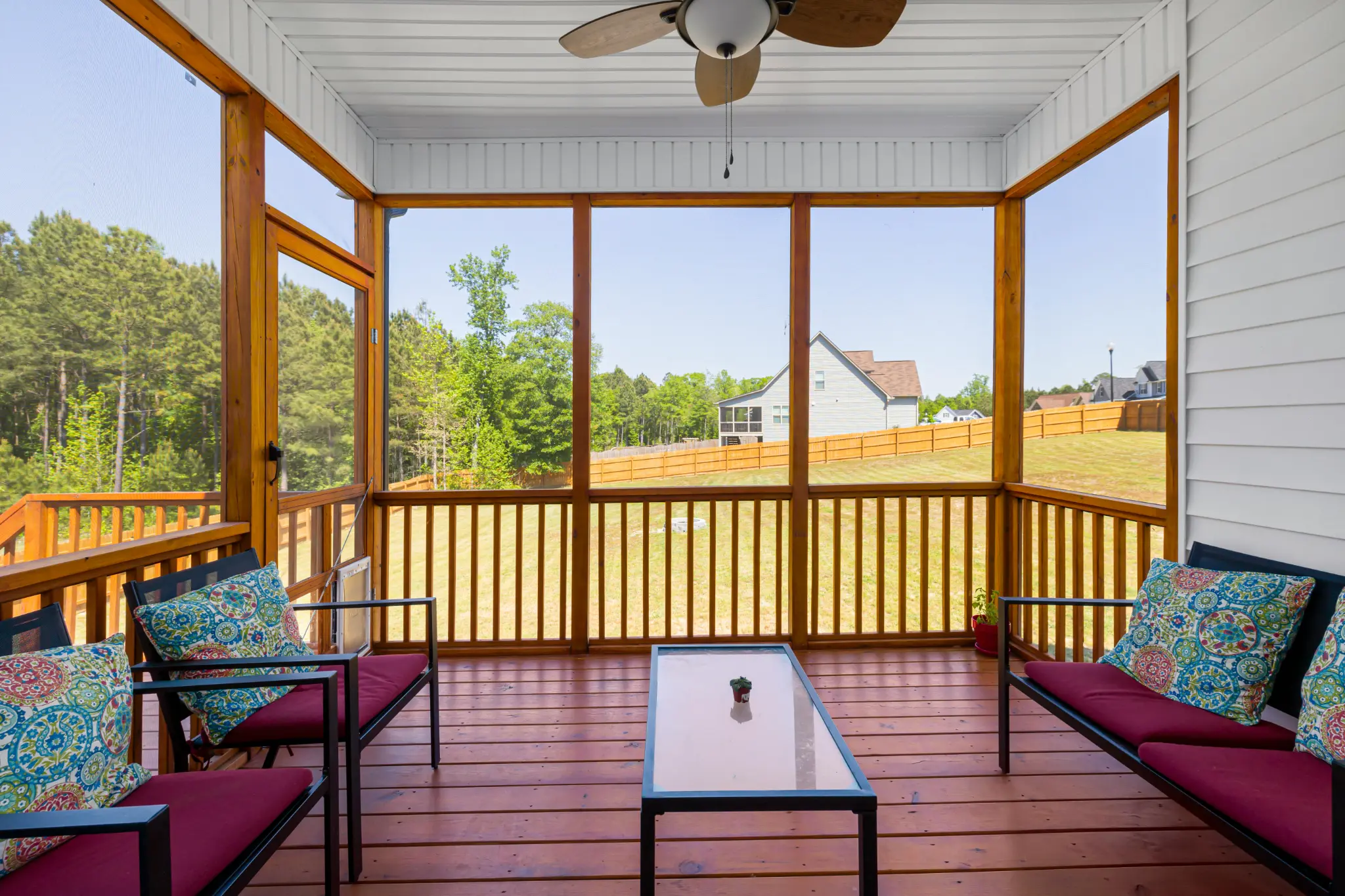
People ask this a lot, especially about covered porches, carports, and screened-in areas. These spaces feel almost like an indoor environment, so it seems like interior paint should hold up fine. But even covered outdoor areas deal with humidity, changing temps, and bounced UV light throughout the year. That puts them in a very different class from true indoor conditions.
Paint manufacturers and most industry pros still treat any area outside the walls of a home as a space that needs exterior paint. Exterior paint is specifically formulated for that reason. Interior products are built around steady air quality and stable temps. Covered outdoor spaces just do not offer that.
Also keep in mind that exterior paint indoors causes its own problems. Using exterior paint inside a living space can pose health risks because of the higher volatile organic compounds that stay in the air long after paint dries. Neither swap works well.
Interior paint might cover a sheltered outdoor surface for a short time. But if long-term results matter, it is the wrong call. As experts in residential painting across Middle Tennessee, we always tell people to use the product made for the job, covered area or not.
Interior And Exterior Paints: A Quick Comparison
Looking at exterior paint vs interior side by side makes the choice simple. Exterior and interior paint serve different jobs. Exterior paint is built for durability and weather resistance. Interior paint is built for aesthetic appeal, easy upkeep, and a stain resistant, semi gloss or matte finish that holds up inside.
Think about the cost side too. Using leftover acrylic paint or house paint from an interior job might seem like a smart way to save money. In our experience on Nashville-area projects, it almost always leads to a costly redo within a year or two.
Selecting paint based on where it performs optimally is always the better long-term move. Commercial painting crews know this well. The cost of stripping, prepping, and repainting a failed exterior job is far higher than just using the right product first.
Get the Best Paint on Every Surface
Using the right product from the start protects your surfaces and saves you money. Professional painters know how to match the correct paint to every part of a job, inside and out. They also know how to prep surfaces so the right paint actually sticks and lasts.
At PaintPro, our family-owned team serves Nashville, Spring Hill, and the rest of Middle Tennessee with full residential and commercial painting services. Every project comes with a 2-year guarantee and clear, upfront pricing. Contact us to get your estimate and make sure the right products go on every surface from the first coat.