


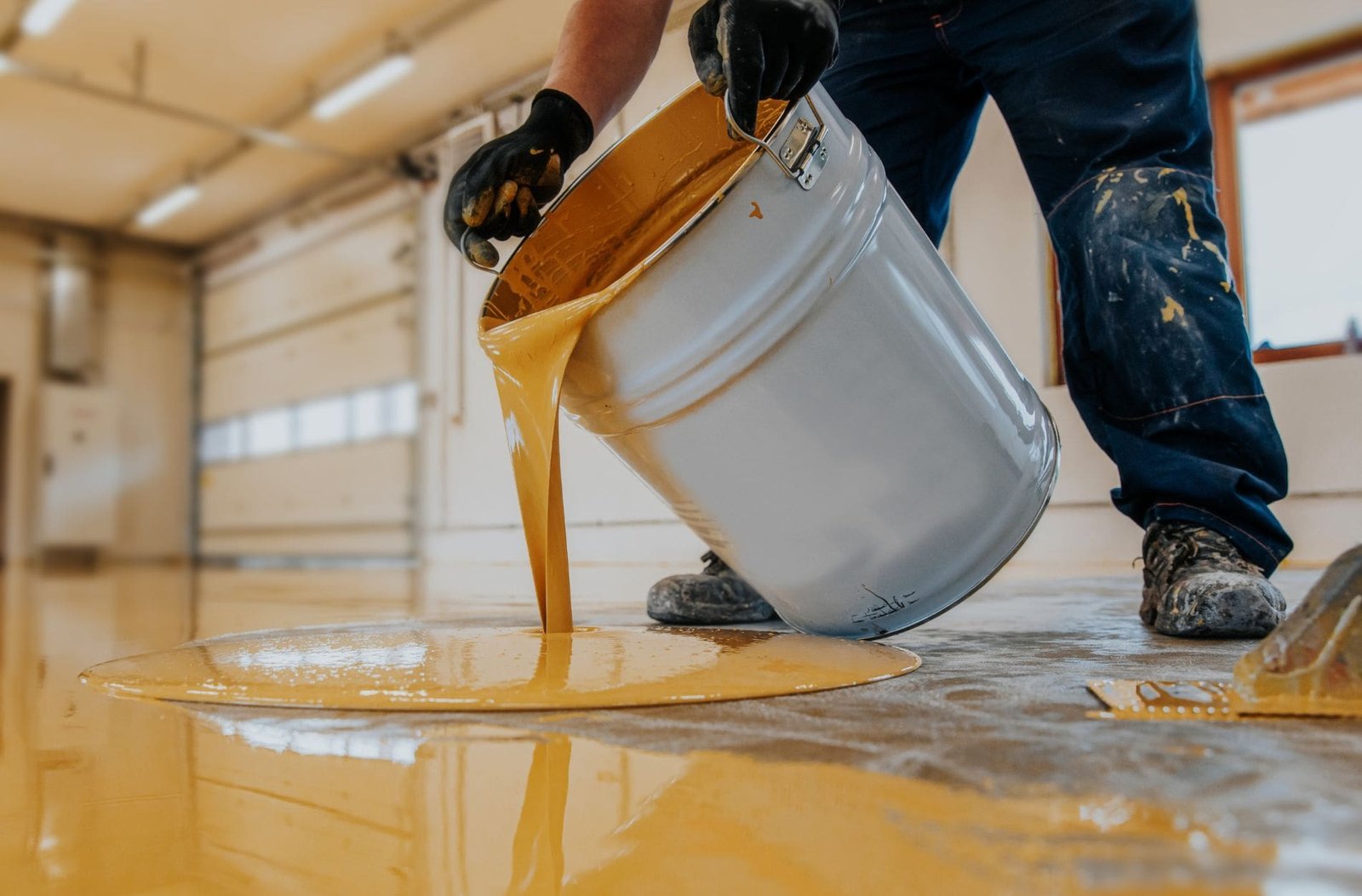

Paint problems in commercial spaces can turn into bigger issues than they seem at first glance. Fading, peeling, or cracking paint doesn’t just look unprofessional. It can also point to deeper maintenance concerns. In properties across Williamson County, building owners and facility managers often face the same frustrating issue: spending time and money on a paint job that fails way too soon.
Hot, humid summers and mild winters in Middle Tennessee play a big part in paint breakdowns. Overlooking important details during the process makes a paint job more vulnerable to early wear and tear. August is a great time of year to think ahead, especially as local businesses prepare for fall operations. Whether you’re working with a warehouse, storefront, or office, the best painting results always begin with prevention.
Understanding what causes commercial paint to fail—and how to avoid those problems—keeps your property looking its best. And in a place like Williamson County, where appearance matters to customers and tenants alike, good planning pays off.
Common Causes Of Paint Failures
When paint starts to fade, peel, or bubble up, there’s usually more going on under the surface. Most commercial painting troubles in Williamson and Davidson counties come down to three things: poor preparation, local environmental stress, and application mistakes.
Poor Surface Preparation
This one comes up often, and it’s easy to overlook. If a surface isn’t clean, dry, and properly primed, the paint won’t stick, won’t hold, and definitely won’t last.
- Dust, dirt, or oils make it harder for paint to bond
- Trapped moisture under the surface leads to bubbling or cracking
- Leaving loose, peeling paint behind weakens new coats
Environmental Factors in Williamson County
The area’s weather plays a big role in how paint holds up.
- High humidity slows curing and leads to unwanted moisture build-up
- UV rays from bright, sunny days fade colors faster, especially on buildings that get full exposure
- Sudden storms, common in Tennessee summers, can hit right after painting and damage fresh coats
Incorrect Application Techniques
Even when the right products are on hand, application is key.
- Applying paint too thick causes it to dry unevenly and crack
- Skipping drying time between coats leads to blistering
- Painting during peak heat breaks down materials before they cure properly
A real-world example came from a facility in Franklin. After a repaint in late summer, the building began peeling only three months later. Turns out, the painters worked mid-day in high humidity and didn’t clean the surfaces well. These kinds of avoidable errors hurt both the building’s appearance and the owner’s bottom line.
Best Practices For Preventing Paint Failures
Preventing paint failure isn’t about good luck. It’s about the process and getting it right from the start. The better the prep work, planning, and execution, the better the final results.
Here’s what that should include.
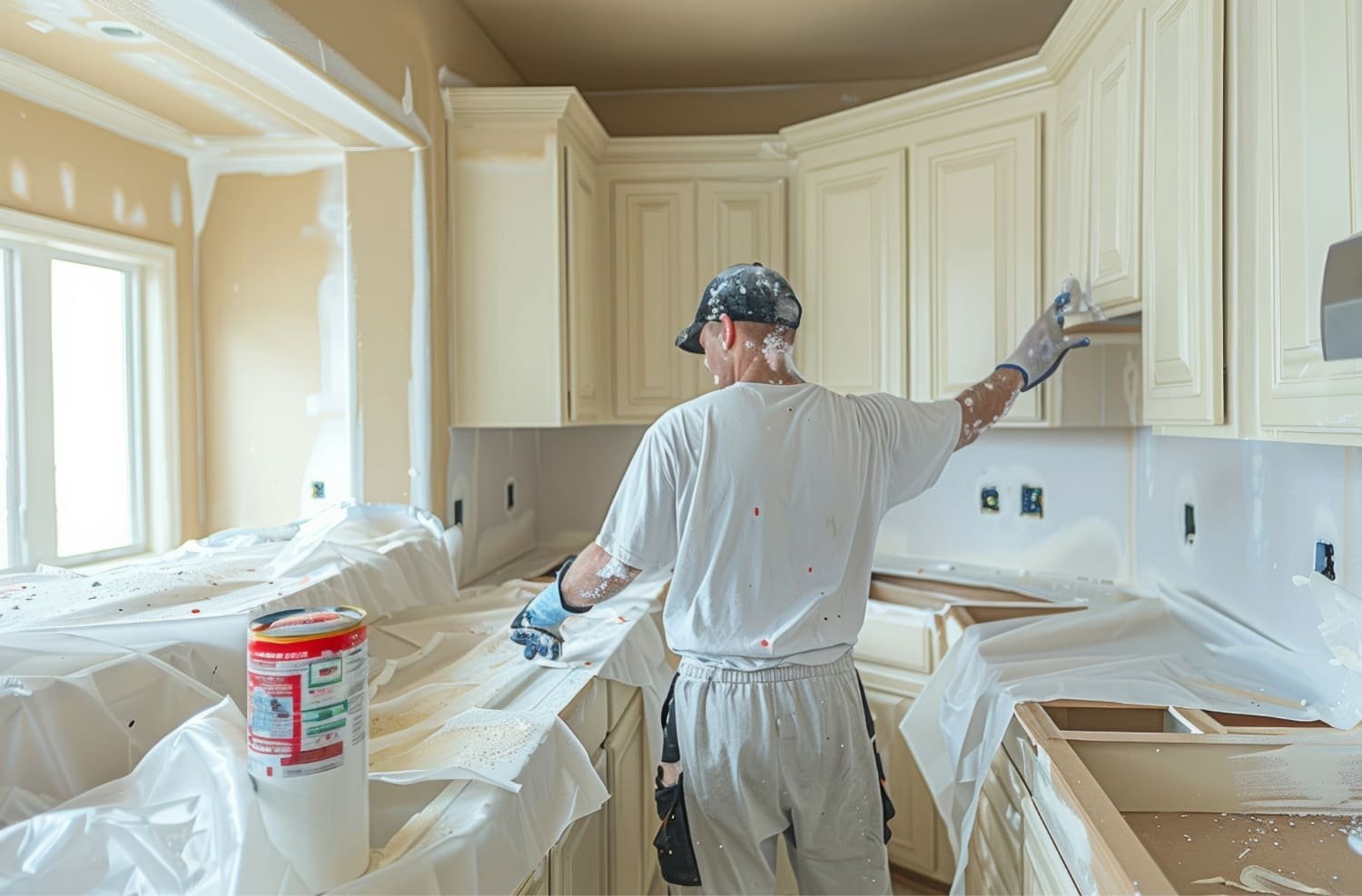
Detailed Surface Prep:
- Pressure wash to remove buildup
- Repair and patch any problem spots before primer is applied
- Select primers suited for each specific surface type
Choosing the Right Paint:
- Use paint designed for sun, humidity, and heavy use
- Choose finishes based on the space (matte for offices, gloss for doors and trim)
- Stick to commercial-grade coatings that work harder than residential alternatives
Correct Application Methods:
- Paint in the cooler parts of the day—early morning or late afternoon
- Avoid painting if humidity is higher than 85 percent
- Use consistent brush and roller techniques to prevent uneven finishes
These extra steps matter even more in places like Williamson County where weather swings can throw off even the most organized job site. Preventing problems upfront keeps commercial properties looking clean and professional year-round.
The Role Of Professional Commercial Painters
Even with quality paint and prep work, commercial painting still involves challenges many don’t see. It’s not just about putting color on walls. Professionals know how to work with the structure itself, respond to weather shifts, manage the job site, and keep schedules flexible.
In Brentwood, one commercial repaint involved several wall materials—metal, wood, and stucco. An experienced commercial painting crew used tailored surface prep and coating choices without adding time delays. They worked mornings and early evenings, avoiding the harsh midday heat. These decisions helped ensure a better cure and longer-lasting finish.
Professional painters like those at PaintPro know more than techniques and tools. They help building managers select the right interior and exterior paints for function, airflow, and durability. That could mean choosing low-odor coatings for waiting rooms or heavy-duty options for warehouse exteriors.
With trained eyes and proven workflows, professionals make sure each coat of paint holds strong—no flaking, cracking, or bubbling days after the job wraps up.
Maintaining Your Commercial Paint Job
Keeping your commercial paint job in good shape takes regular care. Think of it like HVAC system checks—routine steps now save money and time later.
Here’s a maintenance plan that works for most properties:
- Wash building surfaces every few months to prevent grime buildup
- Monitor high-traffic areas like hallways and exterior entries for scuffs, stains, or dull spots
- Watch for bubbling, hairline cracks, or chalky residue that can signal trouble beneath the paint
- Schedule yearly inspections, especially after extreme weather
- Add touch-up painting to your annual property checklist
In Williamson County, climate can wear down siding and trim faster than expected. Paint that weathers long humid spells will need a closer look before fall or spring. Meanwhile, spots in Davidson County often see more foot traffic, so interiors can show early signs of wear.
Proper upkeep catches problems early and extends the overall life of your paint job.
How PaintPro Can Help Your Business
Businesses working in Franklin, Nolensville, and other parts of Williamson County don’t always have the time or resources to handle a commercial painting project on their own. That’s where we come in.
PaintPro handles every angle of commercial interior and exterior painting with experience and detail. We plan for surface materials, local climate, and business schedules. Whether you’re wrapping walls in a quiet office park or coating high-traffic areas in downtown Nashville, we make sure the job is done right.
Every job starts with a conversation about building type, sunlight exposure, purpose, and current issues. This lets us customize every step—from prep to product choice. Our team works around your operations to avoid disruptions and keeps you updated from start to finish.
This is more than painting walls. It’s about protecting one of your most visible assets—your building.
Smarter Paint Jobs Start with Prevention
Stopping paint failures doesn’t take luck or costly solutions. It takes some planning, the right products, and a crew that knows how to get the prep work right. By setting your project up for success from the start and following up with regular checks, you can keep your building’s finishes looking solid before problems take root.
In Williamson County, the mix of heat, storms, and inconsistent surface materials can cause trouble if ignored. Fortunately, most issues are easy to prevent with upfront planning and a smart maintenance schedule. The result is a longer-lasting finish that keeps your business looking fresh no matter the season.
To keep your commercial property looking sharp and protected year-round, connect with PaintPro for expert solutions tailored to your space. Our crew specializes in commercial interior and exterior painting designed to stand up to the weather in both Williamson and Davidson counties.