
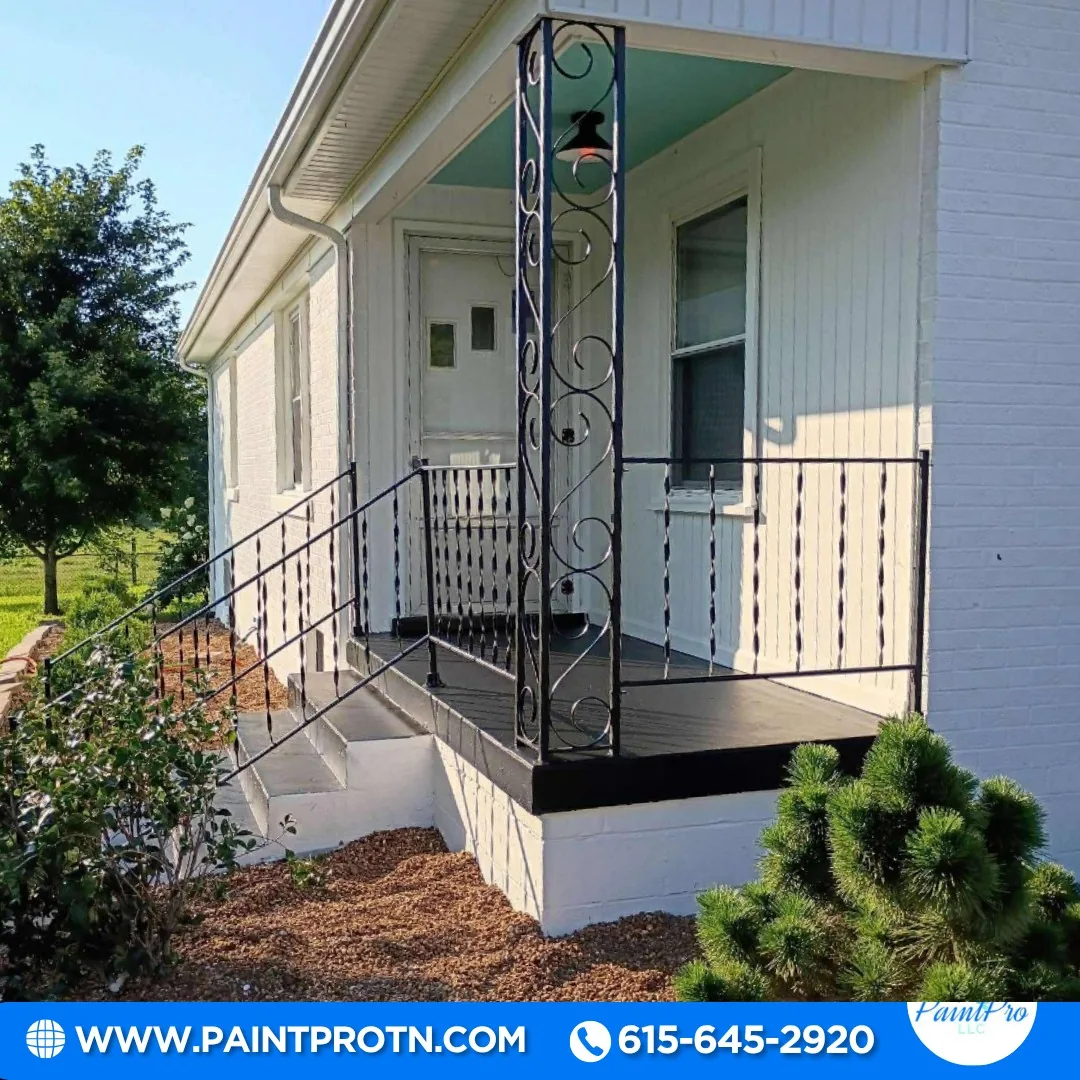


Learn how to plan a commercial repaint in Brentwood, including surface prep, paint selection, and scheduling around business hours. This guide covers what to look for in quotes and local licensing requirements.
A proper commercial repaint in Brentwood starts with scraping, sanding, and priming, followed by two coats of a durable, low-VOC finish suited to your traffic level. You should get a written, itemized quote that spells out the surface prep, the specific paint product, the number of coats, and the schedule for working around your business hours.
What commercial painting involves in Brentwood
Commercial painting in Brentwood covers offices, retail stores, and healthcare facilities. The work typically falls into three categories. Interior painting covers offices, lobbies, corridors, restrooms, retail floors, clinics and schools. Exterior painting covers stucco, block, brick, metal panels and trim on buildings from strip centers to multi-story offices. Industrial painting protects warehouse floors, structural steel and equipment with systems built for abrasion and chemicals.
How surface prep and priming affect the final finish
Proper prep involves scraping loose paint, sanding smooth, and priming to stop stains. This step ensures the new coat bonds to the wall. Skipping it leads to peeling and blistering, especially in high-humidity areas like restrooms or kitchens. Before opening paint, crews must clear the work area completely.
The prep process includes several key steps:
- Remove furniture, delicate decor, and heavy equipment for worker safety.
- Cover remaining items and flooring with heavy plastic sheeting and thick drop cloths.
- Wipe down walls to remove dust, dirt, and stubborn grease.
In Middle Tennessee, thorough surface prep matters because of the local climate. Check for moisture issues behind the paint and address them before applying primer. The goal is a durable finish that withstands daily traffic and cleaning without failing prematurely.
Which paint sheens suit offices, retail, and healthcare spaces
Offices often use low-sheen eggshell for a soft look. High-traffic corridors and healthcare facilities need washable, abrasion-resistant semi-gloss or high-performance acrylics. Zero-VOC options are critical for occupied spaces to maintain air quality. The right finish depends on how hard the surface gets worked.
High-traffic areas like hallways and offices benefit from paints with good hide and washability. Dunn-Edwards SPARTAWALL Velvet is a zero-VOC option designed for these zones. It offers a soft velvet finish that is durable enough for daily use. For spaces requiring maximum durability, Sherwin-Williams ProMar 200 HP Zero VOC Interior Acrylic is built for commercial jobs. It features a high-performance, abrasion-resistant formula with outstanding hide. This product is MPI compliant and GREENGUARD Gold Certified, making it suitable for strict indoor air quality standards.
In healthcare settings, coatings must facilitate sanitation and disinfection. Smooth, continuous films reduce the water and chemicals needed for proper cleaning. Sherwin-Williams offers integrated systems for these demanding environments.
What a written quote should spell out
A detailed quote must list the square footage of walls, the specific paint product and sheen, the number of coats, and the labor hours. It should also include the phasing plan and any after-hours premiums to avoid hidden costs. Smart clients request detailed, written, and itemized estimates. These separate the exact scope of work, labor hours, and specific materials. Clear proposals prevent unexpected charges from ruining the budget.
A reputable contractor provides a written warranty covering both labor and materials. This warranty typically ranges from one to five years. You should see a clear breakdown of what is included in the labor rate. This ensures you are not paying for work that was not discussed. The estimate should also reflect specific building conditions, such as after-hours access or special safety protocols. If a quote is vague or lacks these details, it is a sign to look for a more thorough contractor.
How to schedule work in an occupied building
Scheduling can be arranged around business hours. This includes evenings, weekends, or phased work to keep areas accessible. Coordination with building management regarding access, elevators, and parking helps keep operations running smoothly. Executing a commercial painting project demands logistical planning.
Painting overnight minimizes disruption to ongoing business operations. Repainting vacant suites between leases is a common service for tenant turnovers. Work in common areas is often planned to ensure corridors remain passable. One written estimate can cover several suites, with each priced separately so costs can be split.
Coordination with building management often involves:
- Access and keys
- Elevator use
- After-hours entry
- Insurance certificates
This approach ensures staff and customers are never blocked from essential areas. The schedule is built around specific needs, including delivery times and patient arrivals.
Frequently asked questions
How often should a commercial space be repainted?
Professionals recommend refreshing a commercial space every three to seven years to maintain a polished, professional appearance. High-traffic hallways and lobbies require fresh coats every two to five years to erase accumulated wear and tear.
Can you paint without closing our business?
Yes. Flexible scheduling is a normal part of commercial work. Painting can be scheduled for evenings or weekends, or phased so one area is finished and reopened before the next starts.
What paint finish works in a commercial space?
The right finish depends on the area's traffic and cleaning needs. Low-sheen eggshell works well for offices, while washable, abrasion-resistant options are better for corridors and healthcare facilities.
Do you handle exterior commercial painting?
Yes. Repainting services cover materials like stucco, brick, metal, and siding on various commercial buildings, as well as doors, railings, and canopies. Exterior work is planned around weather, customer parking and entrances so your business stays open.
How to get a free estimate
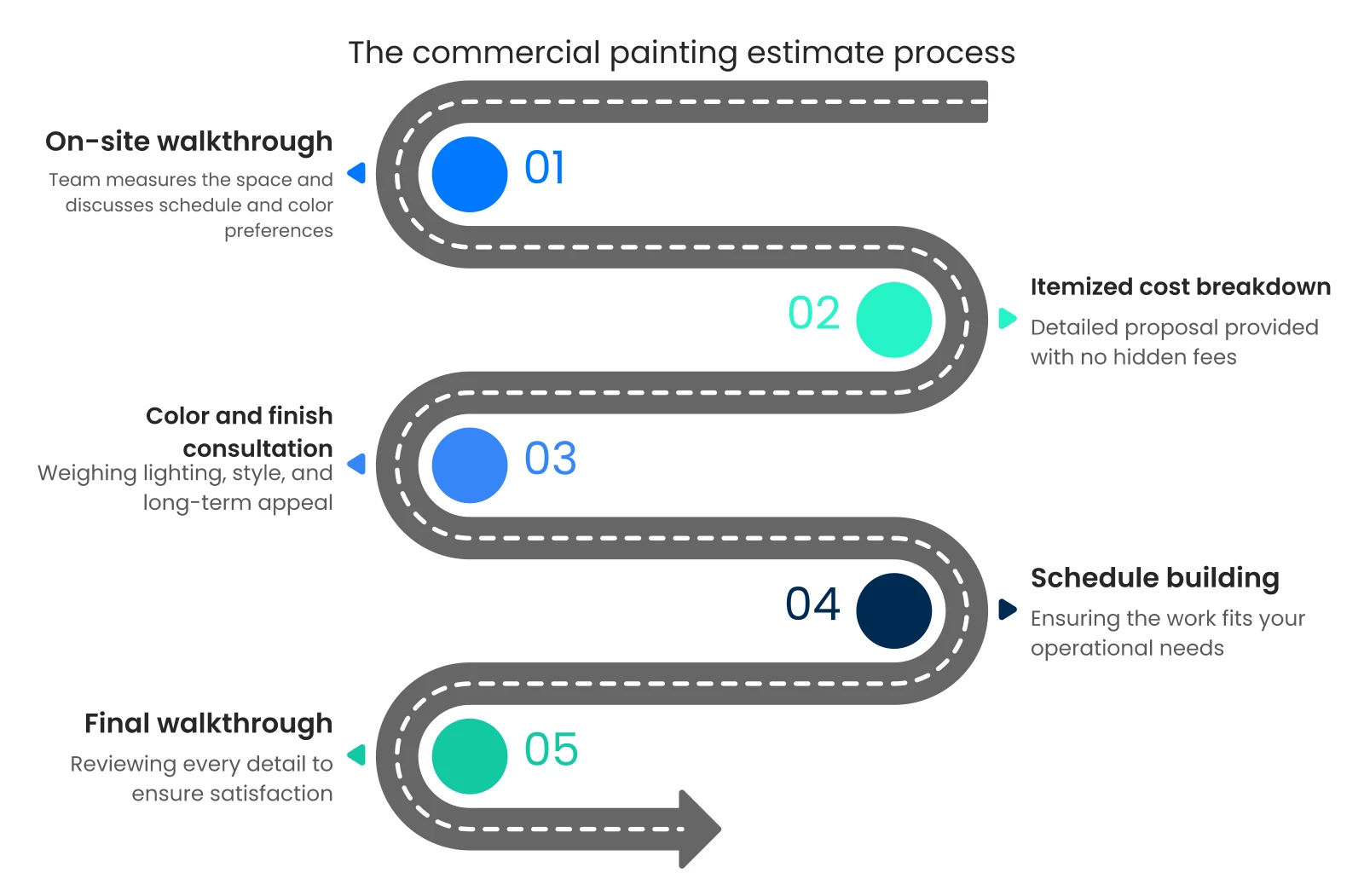
Contact PaintPro Tennessee to schedule an on-site walkthrough. The process typically involves measuring the space, discussing schedule and color preferences, and providing a detailed, itemized cost breakdown with no hidden fees. Every job starts with an on-site estimate where a team member walks through the space, talks through options, and gives the client a detailed cost breakdown. A color and finish consultation follows to weigh lighting, style, and long-term appeal. The schedule is built around the client, ensuring the work fits your operational needs. A final walkthrough reviews every detail to ensure satisfaction, and the work is backed by a written guarantee. If you are ready to start, you can schedule your free estimate to begin the process.