



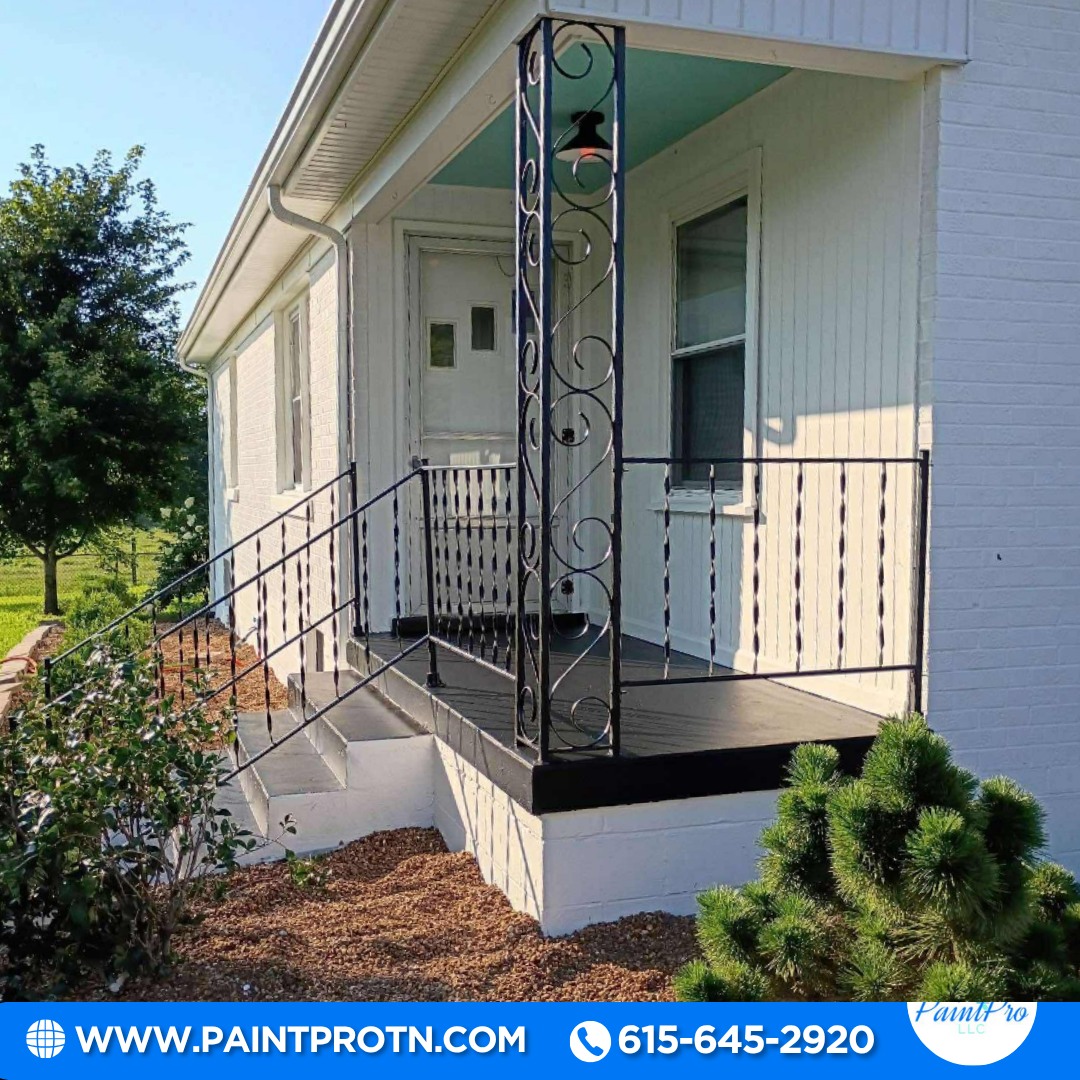
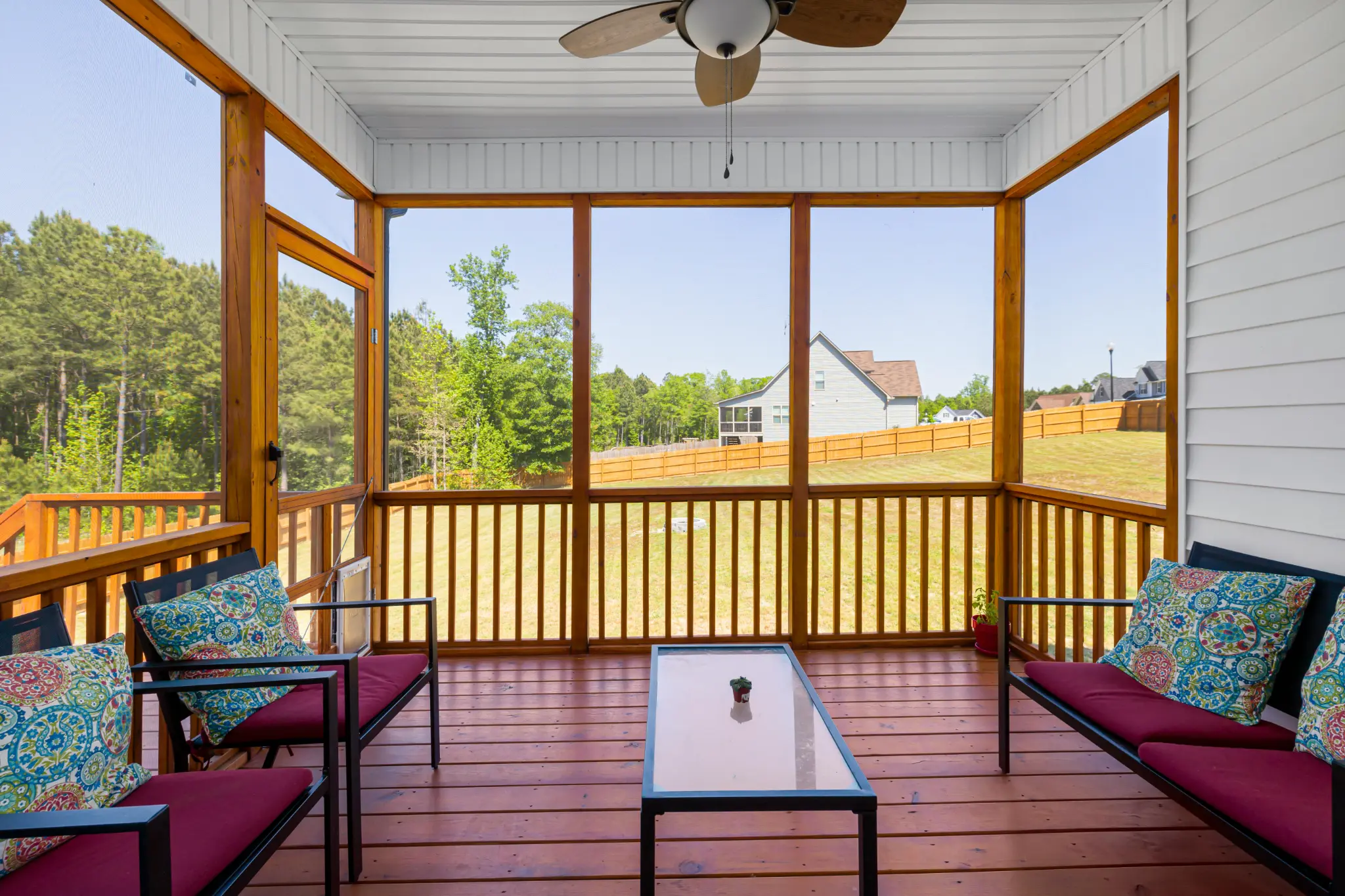
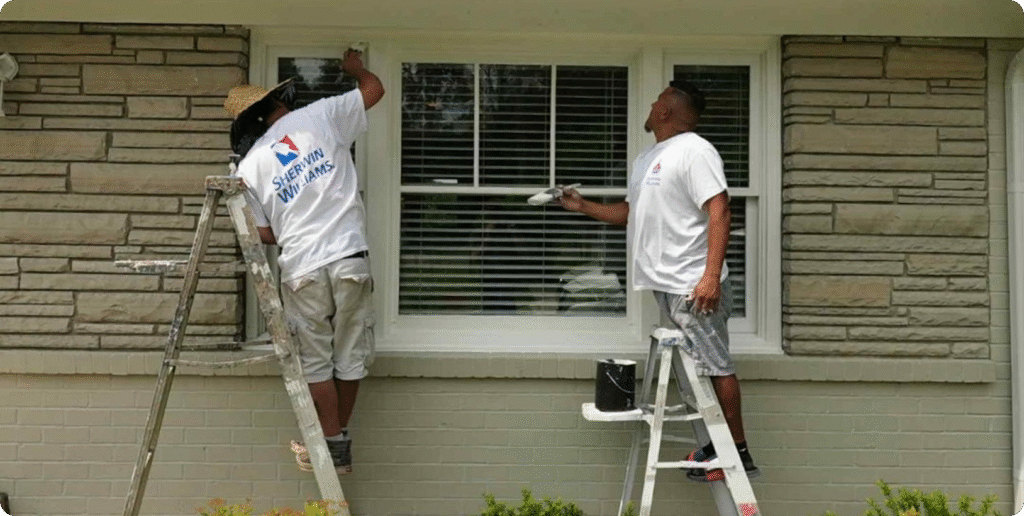
If you’re wondering the best time to paint house exterior in Nashville, you’re not alone. Timing matters here. Our weather can swing fast, and a great paint job depends on more than picking a weekend that looks fine on the forecast.
This guide breaks down when to paint exterior of house in Middle Tennessee—one season at a time—so your exterior house painting lasts longer, looks better, and boosts curb appeal.
Quick answer: the “sweet spot” for Nashville exterior painting
In Nashville, the best time is usually late spring and early fall. Those windows bring mild temperatures, steadier humidity, and fewer extreme swings from hot afternoons to cool night air.
Ideally, plan your exterior painting project when:
- Temperature stays roughly 50°F to 70°F for best results (many exterior latex paints also perform well up to about 85°F).
- Humidity stays moderate, often around 40% to 70%.
- The surface is clean and fully dry.
- You can avoid rain for 24 to 48 hours after painting so the coating can cure.
Why the caution? High humidity slows drying and raises the risk of streaks or mildew. Extreme heat can make paint dry too fast. And cold weather can cause thick paint, weak adhesion, and early failure.
Design experts agree on the window. As one Homes & Gardens guide puts it, “the best time to paint your house exterior would be between late spring and early fall,” because the weather is mild with less humidity and moisture in the air — exactly what helps a coat dry evenly.
— Source: Homes & Gardens, “The best time to paint a house exterior, according to pros”
What Nashville conditions matter most (before you start any painting project)
A successful exterior painting plan comes down to a few factors:
Temperature swings (day and night)
Paint may go on well in the afternoon, then struggle if temps drop too low at night. Temperatures should stay above freezing during curing to avoid paint failure.
Humidity changes by the day
Outdoor humidity can vary a lot. High humidity can cause a splotchy finish. Low humidity often improves dry time for exterior paint.
Rain timing
Even light rain can delay projects by 24–48 hours. Wet surfaces and wet paint don’t mix.
Sun exposure and surface heat
Direct sunlight at midday can overheat siding and trim. That can lead to lap marks or uneven sheen, especially on darker colors.
Pollen and debris
High pollen counts can affect paint quality. Low wind is better, too, so dust and debris do not stick to fresh paint.
Humidity is the factor homeowners underestimate most. Family Handyman advises that you’ll get the best results painting in “moderate humidity between 40 and 70 percent” — too high slows drying and invites streaking, too low makes paint set before it can level.
— Source: Family Handyman, “The Best Temperature to Paint Outside”
These are the “other factors” many homeowners do not think about at the beginning, but they make a big difference in how long your finish holds up.
The forecast high is only half the story — in Nashville, the overnight low and the day’s humidity decide whether your fresh coat actually cures or just sits there and fails.
Spring (March–May): a strong start—especially May
Spring is a popular painting season for a reason. As winter fades, the air warms, and your house can finally stay dry long enough for a smooth application.
Why spring works
- Temps trend into the ideal range.
- You often get longer stretches of dry days.
- It is easier to schedule crews before peak summer.
Nashville spring watch-outs
- Spring storms can appear fast. Always check rain chances and let the surface dry fully.
- Pollen can be heavy. If the siding is dusty or yellow, wash it first. Paint over pollen and you trap problems.
May is often one of the best months to paint because it can bring balanced humidity and comfortable temperatures. If you want the “right time” without gambling on heat, May is a smart bet.
Best practice: Start first thing in the morning once dew has burned off, then avoid the hottest wall in the afternoon.
Summer (June–August): doable, but you need a smarter plan
Yes, you can paint in summer. But in Nashville, summer brings heat, pop-up storms, and strong sun. That does not mean you must avoid painting all summer. It means you need the right approach.
What to watch in summer
- If it’s hot enough that the wall feels warm to the touch, paint can dry too quickly.
- Direct midday sunlight can overheat the siding and cause lap marks.
- Thunderstorms can roll through and force a wait.
Tips that help summer exterior painting succeed
- Follow the shade. Paint the east side in the morning, and the west side later.
- Work in shorter blocks. Some coatings only give you a few hours of ideal conditions.
- Keep an eye on overnight lows so curing stays stable.
August can be tricky because the heat and humidity can stack up. A skilled crew can still do it, but the schedule may be tighter.
Summer painting in Nashville isn’t about the calendar — it’s about chasing the shade and watching the overnight lows so the paint never dries faster than it can bond.
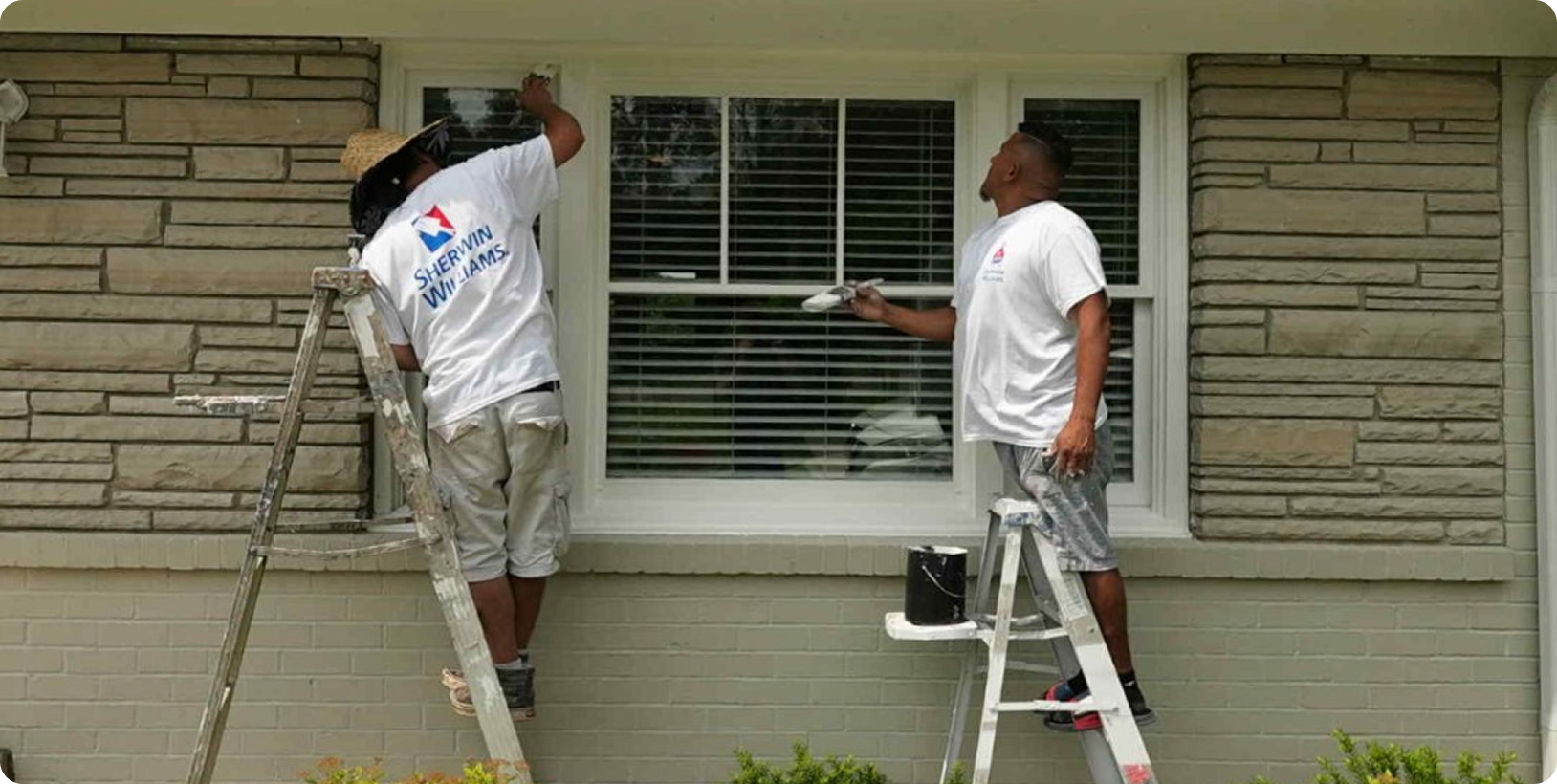
If you’re using a painter or a team of professional painters, summer can still be a good time to book—especially if you plan early.
Fall (September–November): Nashville’s most reliable window
Fall is often the most forgiving season for exterior painting in Middle Tennessee. Many homeowners find early fall to be the easiest time to get a clean, durable finish.
Why fall is a favorite
- Temperatures cool down, but are not yet cold.
- Humidity often drops.
- Rain can be less frequent than spring, depending on the year.
Fall also gives you a chance to seal up exposed wood before winter. That reduces moisture problems and paint breakdown from prolonged exposure.
Winter (December–February): possible in short bursts, but risky
Most people ask if winter is a no-go. The honest answer: it depends, but winter is usually the hardest season to get consistent results.
The winter problem
- Cold weather below about 40°F can stop proper adhesion.
- Paint can thicken and level poorly.
- Even if the afternoon is warm, temps may drop at night and disrupt curing.
The cold doesn’t just slow things down — it changes the chemistry. Bob Vila notes that “cure time can be slower in humid and cold conditions” and faster when temperatures are above 50 degrees with low humidity, which is why a warm afternoon that drops off at night can leave paint uncured.
— Source: Bob Vila, “The Best Exterior Paints, Reviewed”
If you must paint in winter, you need products rated for lower temps and a tight weather window. In many cases, it’s better to focus on prep, repairs, and scheduling—then paint when the weather improves.
How your exterior material changes the timeline
Different surfaces react differently to heat, cold, and moisture. Your home’s exterior materials help determine the best schedule.
Wood siding: Needs thorough drying and careful prep. It is more sensitive to moisture and can peel if painted damp.
Aluminum siding: Usually paints well with the right primer and cleaning, but surface heat in summer sun can be an issue.
Vinyl: Color choices matter. Dark colors can cause heat buildup and warping.
Brick and stucco: More porous, so moisture control and curing time matter even more.
New installation (fresh siding or trim): Often needs a brief settling period and proper priming before topcoat.
No matter the material, preparation is what makes the finish look even and last.
Prep checklist: what to do before paint touches the house
A great finish starts before the first brush stroke. Here’s a simple preparing list:
- Wash off dirt and chalky residue.
- Let everything dry completely.
- Scrape and sand loose edges.
- Repair damaged caulk or trim.
- Prime bare spots and stained areas.
This is where many “bad paint” stories begin—someone skips prep, then blames the product when the paint fails.
Timing gets a paint job started on the right foot, but prep is what makes it last — skip the wash, sanding, and priming and even a perfect-weather day won’t save the finish.
Signs it’s time to repaint (don’t wait until it gets worse)
You do not have to guess. Look for clear signs of wear:
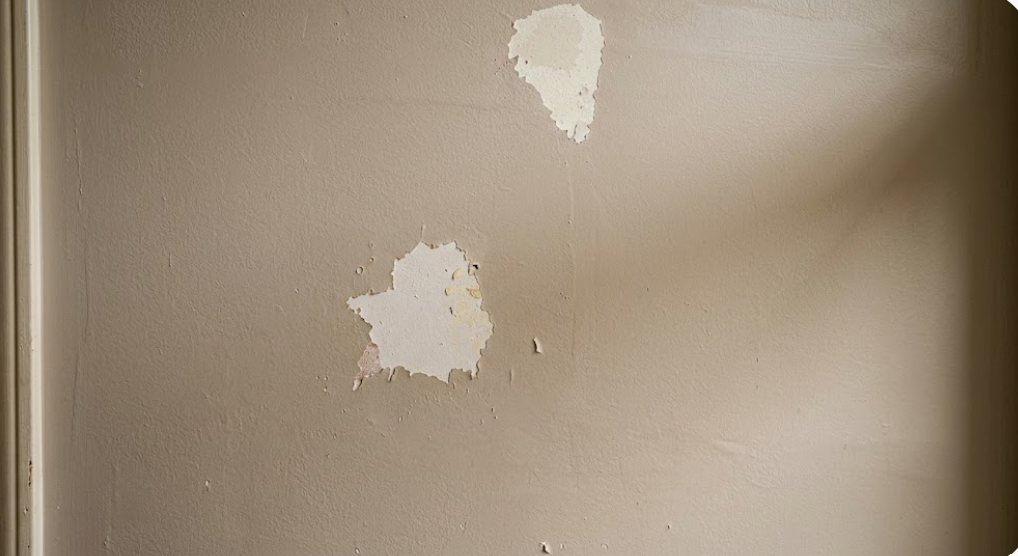
- Peeling or cracking paint
- Fading or dull, washed-out color (fading reduces the home’s appearance fast)
- Chalking residue on siding
- Stains that return after cleaning
A good rule: inspect the exterior once a year. Catching problems early can prevent water damage and keep the next coat more durable.
Scheduling: how far ahead should you book in peak season?
In Nashville, demand climbs in spring and early fall. If you want a specific week, schedule early—especially if your project is large or needs repairs.
If you want a summer slot, plan in spring. That is often the easiest way to lock in dates that match your weather window.
“Middle Tennessee weather rarely reads the calendar, so we plan every exterior around the forecast, not just the season. We watch overnight lows, humidity, and the dew point, chase the shade around the house, and match the schedule to your siding and sun exposure — because in Nashville, timing the job right is half of making it last.”
— The team at PaintPro
FAQ: Nashville exterior painting timing
1) What’s the ideal temperature and humidity range for exterior painting in Middle Tennessee?
Many paints do best when temps are around 50°F to 70°F and humidity is moderate (often 40% to 70%). The key is stable conditions while the paint cures.
2) Why is spring and fall considered the best painting season in Nashville?
They usually bring mild temperatures, fewer extremes, and better drying conditions. That improves adhesion and helps the finish last longer.
3) Can you paint your Nashville home’s exterior in summer or winter?
Yes, but it is more sensitive to timing. Summer heat and sun can dry paint too fast. Winter cold can prevent proper curing. A careful plan matters.
4) How far in advance should you schedule exterior painting during peak season?
Often several weeks ahead. For the most flexibility, reach out in early spring for summer work, or late summer for early fall dates.
5) What weather conditions will delay or damage an exterior painting project?
Rain within 24–48 hours, high humidity, high winds, surfaces that are not dry, and temperatures that fall too low during curing.
Need help choosing the right time?
If you want help determining the best window for your exterior painting project—based on your siding type, sun exposure, and the week’s forecast—PaintPro can help you plan it. Call to talk through your project and booking options.