




Homeowners ask this all the time: How long does paint last when you hire a pro? In Nashville, the honest answer is “it depends,” but you can still plan with real numbers. Your surface, the products used, and our Tennessee humidity all affect how long a paint job looks fresh.
This guide covers the typical paint lifespan exterior and interior timelines, the biggest wear-and-tear triggers, and what to do if you’re storing leftover paint.
Quick Answer: How Long Does Paint Last In Nashville?
Most professional exterior paint job results last 5 to 10 years. In higher sun exposure areas (strong UV), repainting can be needed closer to 5–7 years.
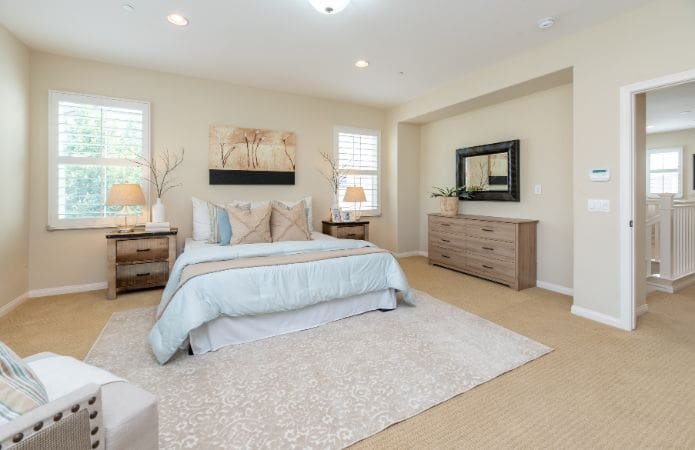
Most interior paints can last longer than exterior finishes. Many rooms go more than a decade if the walls are not abused and the prep was done right.
| Surface Type | Expected Lifespan |
|---|---|
| Exterior Siding | 5 – 10 Years |
| Interior (High Traffic) | 3 – 5 Years |
| Interior (Low Traffic) | 10+ Years |
| Deck / Walkways | 2 – 5 Years |
How Long Does Exterior Paint Last On A Nashville House?
For a typical Nashville house, plan on 5–10 years for exterior paint. Some homes hit the higher end. Others need to repaint sooner.
Why the range? Several factors change the outcome:
- Sun exposure and UV
- Water and storm cycles
- The condition of your siding, trim, and wood
- The last crew’s prep work
If your home has lots of direct sun and weather exposure, you may notice fading and chalking faster. If your exterior stays shaded and damp, you may see mildew, stains, and peeling sooner.
“Guidelines in this chapter explain how to obtain long service life for contemporary finishes on lumber and wood composites used in the United States and Canada.”
How Long Do Interior Paints Last In High-Traffic Vs. Low-Traffic Areas?
Interior timelines are more about how you live.
High-Traffic Areas (Shorter Life)
These spaces tend to show wear in a few years:
- Hallways and stairs
- Kids’ rooms
- Mudrooms
- Around doors, handles, and light switches
You’ll often see scratches, scuffs, and hand prints. Over time, you may notice dull spots where cleaning has thinned the finish.
Low-Traffic Areas (Longer Life)
These often go a full decade or longer:
- Guest bedrooms
- Formal dining rooms
- Home offices that do not get much action
If you want the walls to last, choose a cleanable finish and do quick touch ups instead of waiting until it looks rough.
What Tennessee Weather Does To Paint Longevity
Nashville weather can be tough on coatings:
- Humidity and moisture slow drying and can feed mildew.
- UV light breaks down binders, causing fade and chalking.
- Storms drive water into small gaps around trim and joints.
Paint is made to protect, but it cannot fix water problems. If water keeps getting behind the coating, it will fail, no matter the brand.
“The Wooden Decking Market is expected to grow from USD 5.752 Billion in 2025 to USD 8.66 Billion by 2035, as homeowners prioritize durability and long-term protection.”
Several Factors That Shorten Or Extend The Life Of A Paint Job
If you want a clear checklist, this is it.
Prep And Repairs
Most early failures trace back to prep. A quality job should include:
- Cleaning dirt, dust, and debris
- Scraping loose paint
- Sanding rough edges
- Sealing joints with caulk
- Addressing cracks and damaged areas
- Priming bare spots with primer (and knowing when to prime)
If a crew paints over old chalk, mildew, or loose edges, the new paint has nothing solid to grip. It may look good at first, then get worse fast.
Product Choice: Latex Paint Vs. Oil Based Paints
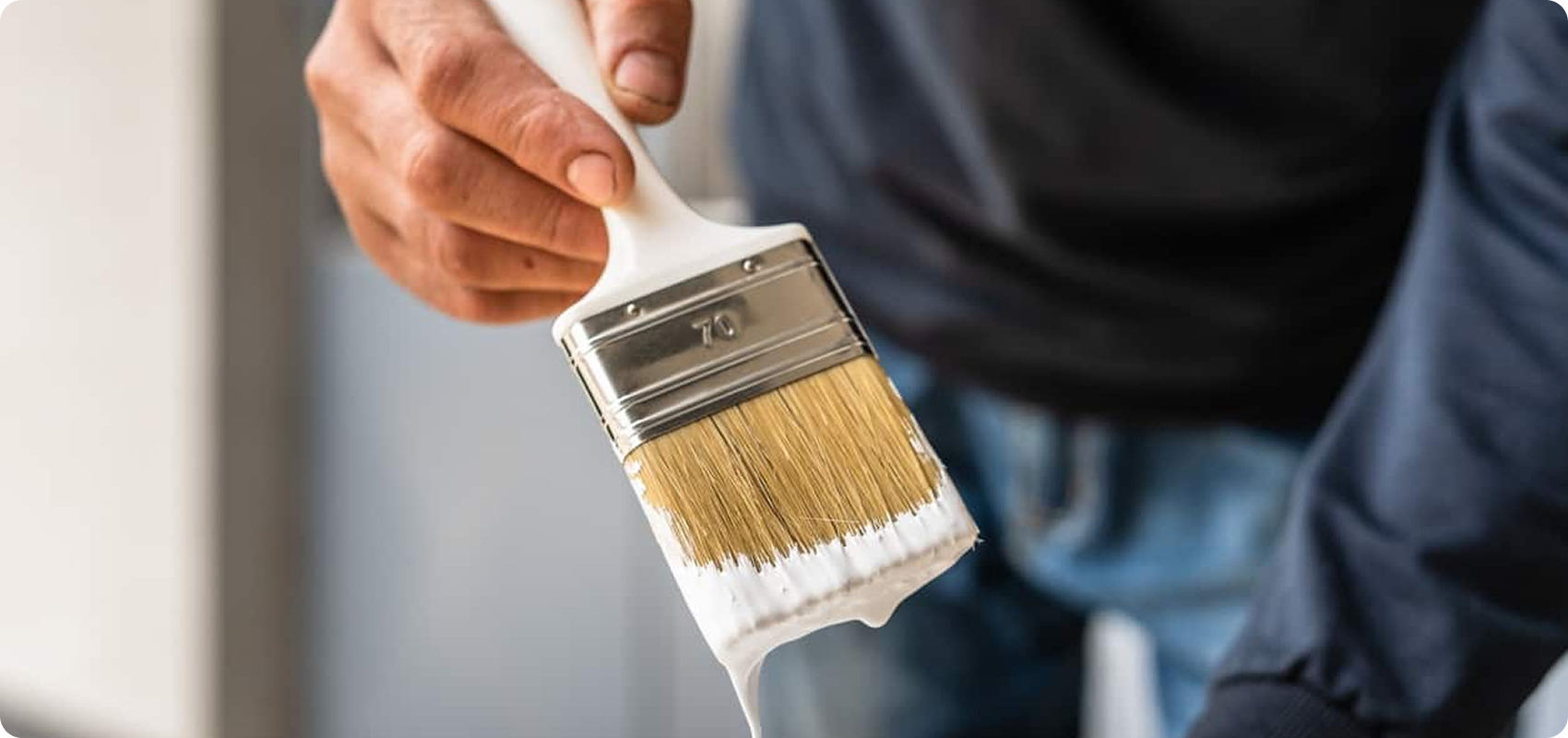
Latex paint is common today. It has easier cleanup and lower odor, and it performs well on many walls and exterior surfaces.
Oil based coatings can still make sense for certain trim or specialty needs, but they tend to have a stronger odor and different dry behavior.
Some homeowners still like oil for certain doors and trim. Others prefer modern latex systems. Either can work when applied properly.
Color, Coverage, And Sheen
Your paint color can change performance. Deep colors can fade faster in sun. Some colors need extra coverage to look even.
A pro should know when the job needs another coat so it looks smooth, consistent, and finished.
Maintenance And Moisture Control
Exterior life improves when you keep water away:
- Clean gutters
- Keep shrubs off the siding
- Fix wood rot early
- Keep soil from splashing onto trim
Think of it as simple maintenance that protects your paint investment and improves durability.
Signs It’s Time To Repaint
If you see these signs, your coating is telling you it’s near the end of its life:
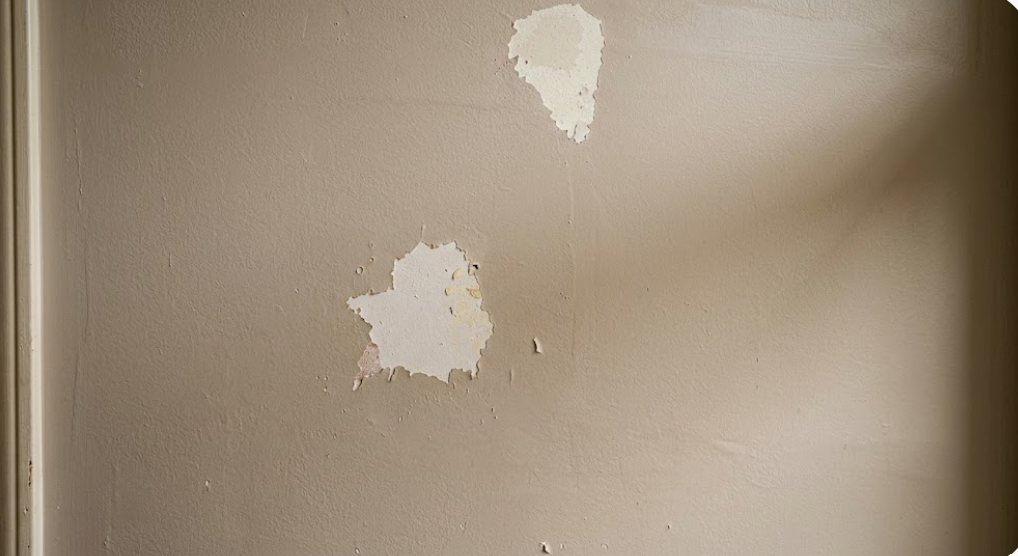
- Peeling or cracking
- Persistent stains that come back after cleaning
- Faded, patchy color
- Soft wood or moisture marks around windows and trim
Inside, look for scuffs that will not clean off, shiny “burnished” spots, and repeated touch-up patches that no longer blend.
If you notice any of these, you do not need to panic. You just need a plan.
How To Make Paint Last Longer (What Pros Do Differently)
A longer-lasting finish is usually created before the first topcoat goes on.
Here’s what experienced painters focus on:
- Prep the surface until it is clean and stable.
- Fill dents and gaps. Sand until edges feather out.
- Use the right primer and let it dry.
- Apply quality paint at the right thickness. Not too thin, not too thick.
- Keep the job site clean. Old chips, dust, and trash should not end up in wet paint.
This is also why timing matters. Exterior paint should be applied in a stable weather window so it can cure and protect the home.
- Seal lids airtight
- Store in climate control
- Wipe rims clean first
- Store in freezing sheds
- Leave lids loosely shut
- Use spoiled, foul paint
Leftover Paint: How Long Does It Store, And When Is It Bad?
Homeowners also ask about the can sitting in the garage or shed. The answer depends on storage and product type.
Shelf Life For Unopened Paint
- Unopened latex products can last up to about 10 years.
- Unopened oil based paints can last up to about 15 years.
- Many primers have a storage life around 2 to 3 years.
How To Store Leftover Paint Correctly
If you have leftover paint, store it in an airtight container. Wipe the rim clean. Make sure the lid is sealed and complete all the way around. Keep the cans out of extreme heat and freezing cold.
If you need to mix old paint before a small repair, stir it well. If it will not blend back together, it may be too far gone.
How To Tell If Old Paint Has Spoiled
Look and smell:
- A foul odor or harsh smell can mean bacteria growth.
- A thick, rubberlike film or clumps can also signal spoilage.
If it smells bad or will not stir smooth, do not use it for touch-ups. It will not bond well, and it can ruin the finish.
One more note: some paints contain volatile organic compounds, which can add odor during drying. That is normal for some products. A rotten smell is not.
“Wood is also a high performance composite with good strength, insulation, fire resistance and durability characteristics. This means that uniquely beautiful wood can last for a few years; but in the warm, humid climate, it requires proper protection.”
What About Sherwin Williams, Benjamin Moore, And “Consumer Reports” Ratings?
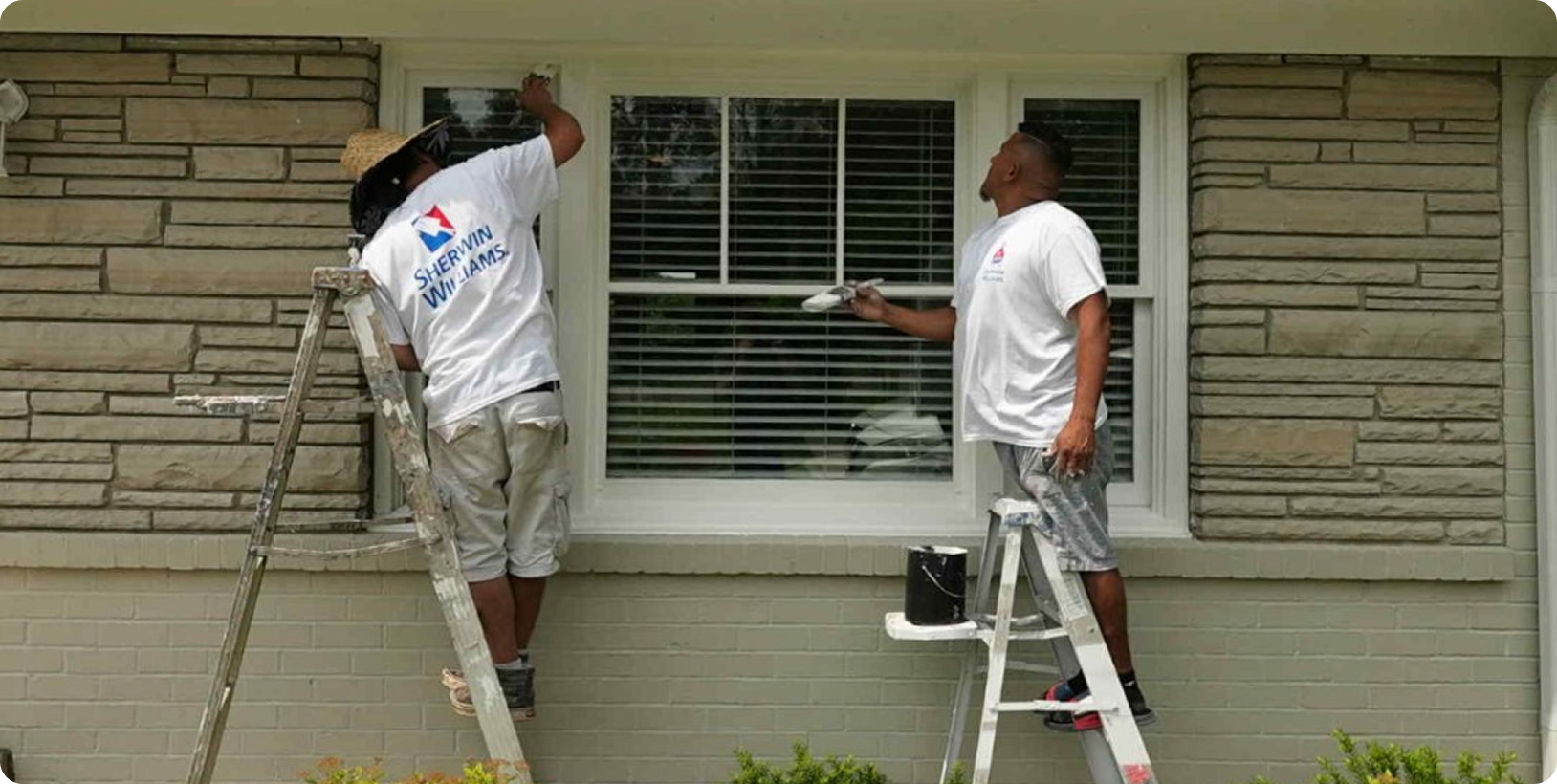
Brands matter, and Sherwin Williams and Benjamin Moore both have strong lines. You may also see rankings from Consumer Reports.
Still, brand is only part of the story. Two homes can use the same paint and get different results based on prep, sun, moisture, and application.
That is why professional process often beats “best product” headlines in any blog post.
How PaintPro’s 2-Year Guarantee Protects Your Investment
A paint job is real money, so it’s fair to expect accountability. PaintPro backs qualifying work with a 2-year guarantee. That gives you coverage if issues show up that should not happen with proper prep and application.
If you want to talk through your home, timeline, and options, call 615-645-2920.
For expert services, visit our Interior Painting or Exterior Painting pages. You can also Contact Us for a free estimate.
FAQ: How Often Should You Repaint In Nashville?
How Often Should You Repaint The Exterior?
A common range is every 5–10 years, depending on exposure and the condition of the siding and trim. Strong sun and storm exposure can push the timeline closer to 5–7.
How Often Should You Repaint The Interior?
It depends on the room. Busy spaces may need attention in a few years. Low-traffic rooms can last a decade or longer, with small touch ups along the way.